
Introduction
Games are not just for entertainment anymore. Over the past decade, the concept of “gamification” has taken over various aspects of our daily lives. From fitness apps and learning platforms to workplace productivity and customer loyalty programs, gamification uses game-like elements to motivate and engage people. But what exactly is gamification, and why is it so effective? In this blog, we’ll dive deep into this fascinating trend and explore how it’s changing the way we live and work.
What is Gamification?
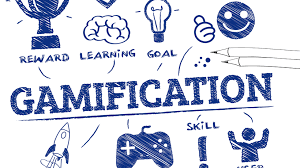
Gamification is the use of game design elements in non-gaming contexts. This includes points, badges, leaderboards, challenges, levels, rewards, and storytelling. The main goal is to encourage engagement, make tasks more enjoyable, and motivate people to achieve certain goals.
Gamification in Fitness
Apps like Strava, Nike Run Club, and Fitbit use gamification to motivate users to stay active. Features like daily challenges, virtual trophies, and social leaderboards push people to walk more steps, run longer distances, and share achievements with friends.
Gamification in Learning
Educational platforms such as Duolingo and Khan Academy use points, streaks, and level-ups to keep students engaged. Instead of feeling bored or forced, learners feel like they’re playing a game, which increases motivation and retention.
Gamification at Work
Many companies are using gamification to boost employee productivity. Sales teams, for example, use leaderboards and point systems to encourage friendly competition. Training programs also include quizzes and rewards to make learning more interactive.
Gamification in Marketing and Customer Loyalty
Brands use gamification to keep customers coming back. For example, Starbucks rewards you with stars for every purchase, unlocking free drinks and special offers. Similar strategies are used in e-commerce apps, where customers collect points and win coupons.
Psychological Reasons Why Gamification Works
- Sense of achievement: Points and badges give instant feedback and a feeling of success.
- Competition: Leaderboards encourage people to improve and beat others.
- Social connection: Sharing progress creates a sense of community and accountability.
- Fun and playfulness: Turning tasks into games makes them feel less like work.
Potential Downsides
While gamification is powerful, it can sometimes lead to unhealthy competition, addiction to rewards, or loss of intrinsic motivation. It’s important for designers to balance fun with ethical considerations to ensure long-term engagement without negative effects.
Conclusion
Gamification has transformed many areas of our lives by making boring tasks more engaging and motivating. As technology continues to grow, we can expect to see even more creative applications of game elements in daily routines. Whether you want to learn a new language, stay fit, or be more productive at work, gamification can make the journey a lot more fun.